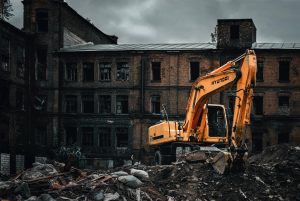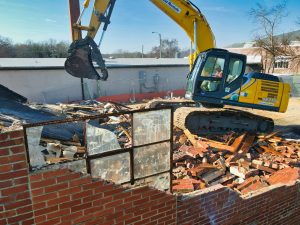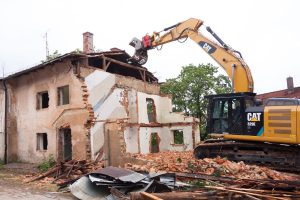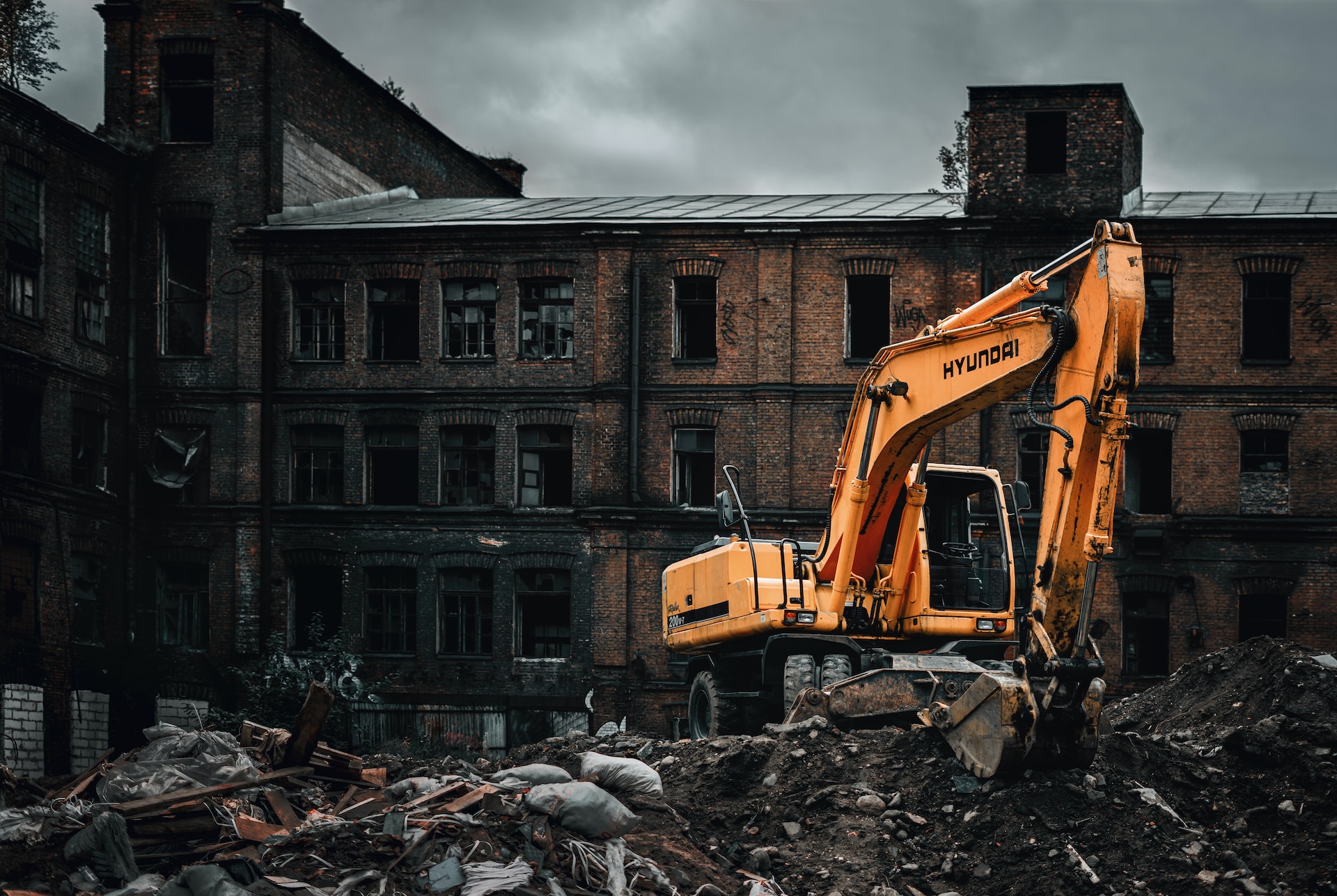
Residential demolition, the process of demolishing homes or buildings for a variety of reasons, has become increasingly common in recent years. While there are numerous reasons for residential demolition, including safety concerns, redevelopment, and changes in land use, one area that is often overlooked is the impact that residential demolition has on historic preservation.
Historic preservation is the practice of preserving buildings, structures, and landscapes that are deemed to have historical or cultural significance. Historic preservation can take many forms, including adaptive reuse, rehabilitation, and restoration. One of the key objectives of historic preservation is to maintain the character of a community and to ensure that important structures and buildings are not lost to future generations.
The effects of residential demolition on historic preservation are complex and multifaceted. On the one hand, residential demolition can be necessary to make way for new developments or to address safety concerns. On the other hand, residential demolition can also have a significant impact on the cultural and historical significance of a community.
One of the most significant impacts of residential demolition on historic preservation is the loss of historic buildings and structures. When a building is demolished, it is gone forever, and with it goes a part of the community’s history and culture. This loss is particularly significant when the building has historical or cultural significance, such as being associated with a notable figure or event.
In addition to the loss of historic buildings, residential demolition can also lead to the loss of historic neighborhoods and districts. When multiple homes or buildings are demolished in a single area, the character of the neighborhood or district can be irreparably altered. This loss of character can be particularly devastating in communities where the architecture and design of the homes and buildings are an important part of the community’s identity.
Residential demolition can also have a significant impact on the social fabric of a community. When historic neighborhoods and districts are demolished, the people who live in those areas may be forced to move, leading to a loss of community and social ties. Additionally, the loss of historic buildings and neighborhoods can also impact tourism and economic development. Historic buildings and districts are often a draw for tourists and can provide economic opportunities for businesses located in those areas. The loss of these buildings and neighborhoods can lead to a decline in tourism and economic development, particularly if the new development does not have the same historical or cultural significance.
Another impact of residential demolition on historic preservation is the loss of architectural and design features. Historic buildings often have unique architectural and design elements that are representative of the time period in which they were built. These features can include decorative woodwork, stained glass windows, and ornate plasterwork. When a building is demolished, these features are lost forever, and with them, a part of the community’s history and culture.
In some cases, historic preservation can be a challenge when faced with the need for residential demolition. For example, when a historic building is in disrepair or poses a safety risk, it may be necessary to demolish the building for public safety reasons. In these cases, it may be possible to salvage some of the historic materials and incorporate them into new construction or to document the building’s history and significance before it is demolished.
There are also situations where the cost of preserving a historic building or district may be prohibitive, particularly if the building or district is in need of significant repairs or renovations. In these cases, it may be necessary to weigh the cost of preservation against the benefits to the community and the historical significance of the building or district.
One way to mitigate the impact of residential demolition on historic preservation is through adaptive reuse. Adaptive reuse involves repurposing an existing building for a new use, such as converting a historic school into apartments or a historic factory into a mixed-use development. Adaptive reuse can help to preserve historic buildings and districts while also providing economic opportunities for businesses and residents.
In conclusion, residential demolition can have a significant impact on historic preservation. The loss of historic buildings, neighborhoods, and districts can lead to a loss of cultural and historical significance, impact tourism and economic development, and alter the social fabric of a community. While there may be situations where residential demolition is necessary, it is important to consider the historical and cultural significance of a building or district and to explore alternatives, such as adaptive reuse, to preserve these important parts of our community’s history and culture.