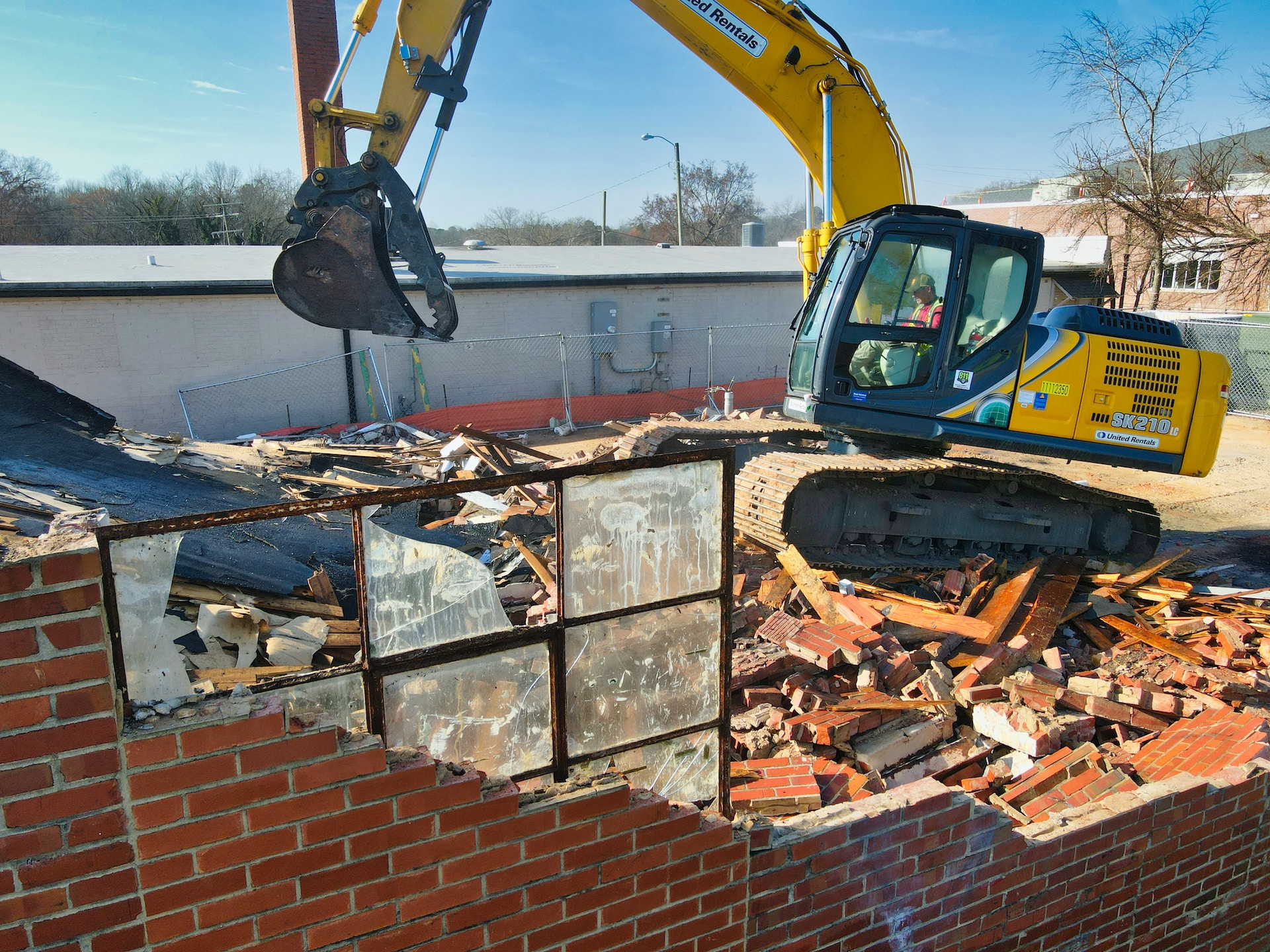
Residential demolition is an essential part of urban development, and it involves the dismantling and removal of existing structures to make way for new construction. However, this process generates a significant amount of waste, which can have negative environmental impacts if not managed correctly. Recycling plays a crucial role in mitigating the environmental impact of residential demolition by diverting waste from landfills and reducing the demand for virgin materials. In this essay, we will explore the role of recycling in residential demolition and the benefits that it can offer.
Firstly, it is essential to understand the types of materials that are generated during residential demolition. These materials can be broadly categorized into two groups: building materials and non-building materials. Building materials include concrete, brick, wood, metal, and roofing materials, while non-building materials include appliances, furniture, and other household items. Building materials typically make up the bulk of the waste generated during residential demolition, and these materials have a significant environmental impact if not recycled.
Recycling of building materials involves the process of reusing or repurposing materials that have been salvaged from demolition sites. For example, concrete can be crushed into gravel or used as fill material, while bricks can be cleaned and reused in new construction. Wood can be repurposed for furniture, flooring, or decorative elements, while metal can be melted down and reused in new products. The recycling of building materials can help to conserve natural resources, reduce greenhouse gas emissions, and divert waste from landfills.
One of the significant benefits of recycling building materials is the conservation of natural resources. The extraction and processing of virgin materials, such as timber and metal, require significant amounts of energy and can have negative environmental impacts. By recycling building materials, we can reduce the demand for virgin materials and conserve natural resources. For example, recycling one ton of steel can save 2,500 pounds of iron ore, 1,400 pounds of coal, and 120 pounds of limestone. Similarly, recycling one ton of aluminum can save 4 tons of bauxite ore and 14 megawatt-hours of electricity.
Another benefit of recycling building materials is the reduction of greenhouse gas emissions. The production of virgin materials is a significant contributor to greenhouse gas emissions, as it requires energy-intensive processes such as mining, transportation, and processing. Recycling building materials can significantly reduce the emissions associated with the production of new materials. For example, recycling one ton of steel can save 1.4 tons of carbon dioxide emissions, while recycling one ton of aluminum can save 10 tons of carbon dioxide emissions.
Recycling building materials can also divert waste from landfills, which can help to reduce the environmental impact of residential demolition. Landfills are a significant source of greenhouse gas emissions, and the disposal of construction and demolition waste can take up valuable space in these facilities. By recycling building materials, we can reduce the amount of waste that is sent to landfills and extend the lifespan of these facilities. In addition, recycling can reduce the need for new landfills, which can have negative impacts on local communities.
Non-building materials, such as appliances and furniture, can also be recycled during residential demolition. Recycling these materials can help to conserve natural resources, reduce greenhouse gas emissions, and divert waste from landfills. For example, recycling one refrigerator can save enough energy to power a home for two months, while recycling one ton of paper can save 17 trees, 7,000 gallons of water, and 463 gallons of oil.
In addition to the environmental benefits, recycling during residential demolition can also offer economic benefits. Recycling building materials can reduce the cost of new construction by providing a source of low-cost materials. For example, using recycled concrete can reduce the cost of new construction by up to 30%. In addition, recycling can create jobs in the recycling and waste management industries.
However, there are also challenges associated with recycling in residential demolition. One of the primary challenges is the logistics of recycling. Demolition sites can generate large amounts of waste, and sorting and processing these materials can be time-consuming and expensive. In addition, the quality of recycled materials can vary, which can make it challenging to find markets for these materials. To address these challenges, some demolition contractors have developed innovative recycling programs that use advanced sorting and processing technologies to increase the quality and quantity of recycled materials.
Another challenge is the lack of awareness and education about recycling in residential demolition. Many homeowners and contractors are not familiar with the recycling options available to them, and this can result in valuable materials being sent to landfills. To address this challenge, there needs to be more education and outreach about the benefits of recycling in residential demolition and the options available for recycling different materials.
In conclusion, recycling plays a crucial role in mitigating the environmental impact of residential demolition. By recycling building materials and non-building materials, we can conserve natural resources, reduce greenhouse gas emissions, and divert waste from landfills. Recycling can also offer economic benefits by providing a source of low-cost materials and creating jobs in the recycling and waste management industries. However, there are also challenges associated with recycling in residential demolition, including the logistics of recycling and the lack of awareness and education about recycling options. To maximize the benefits of recycling in residential demolition, there needs to be more investment in recycling infrastructure, education, and outreach.